Breaking Down The Layout of Your House's Plumbing System
Call TodayThey are making a number of good annotation about Anatomy of a House: Understanding the Components in general in this article below.

Understanding just how your home's pipes system works is important for every homeowner. From providing clean water for alcohol consumption, food preparation, and bathing to safely getting rid of wastewater, a well-kept plumbing system is critical for your household's health and comfort. In this extensive overview, we'll check out the elaborate network that composes your home's pipes and offer pointers on upkeep, upgrades, and dealing with usual issues.
Intro
Your home's plumbing system is greater than just a network of pipes; it's an intricate system that ensures you have accessibility to clean water and reliable wastewater removal. Knowing its parts and how they interact can assist you prevent pricey repair work and make certain whatever runs efficiently.
Basic Elements of a Plumbing System
Pipelines and Tubing
At the heart of your pipes system are the pipes and tubes that carry water throughout your home. These can be constructed from different products such as copper, PVC, or PEX, each with its advantages in regards to sturdiness and cost-effectiveness.
Fixtures: Sinks, Toilets, Showers, and so on.
Fixtures like sinks, commodes, showers, and tubs are where water is used in your house. Understanding how these components attach to the plumbing system helps in diagnosing issues and intending upgrades.
Shutoffs and Shut-off Factors
Valves control the flow of water in your pipes system. Shut-off shutoffs are crucial during emergency situations or when you require to make fixings, allowing you to separate parts of the system without disrupting water flow to the whole house.
Water System System
Key Water Line
The main water line connects your home to the community water or a private well. It's where water enters your home and is distributed to numerous fixtures.
Water Meter and Pressure Regulatory Authority
The water meter actions your water usage, while a stress regulatory authority ensures that water flows at a safe pressure throughout your home's plumbing system, avoiding damages to pipelines and components.
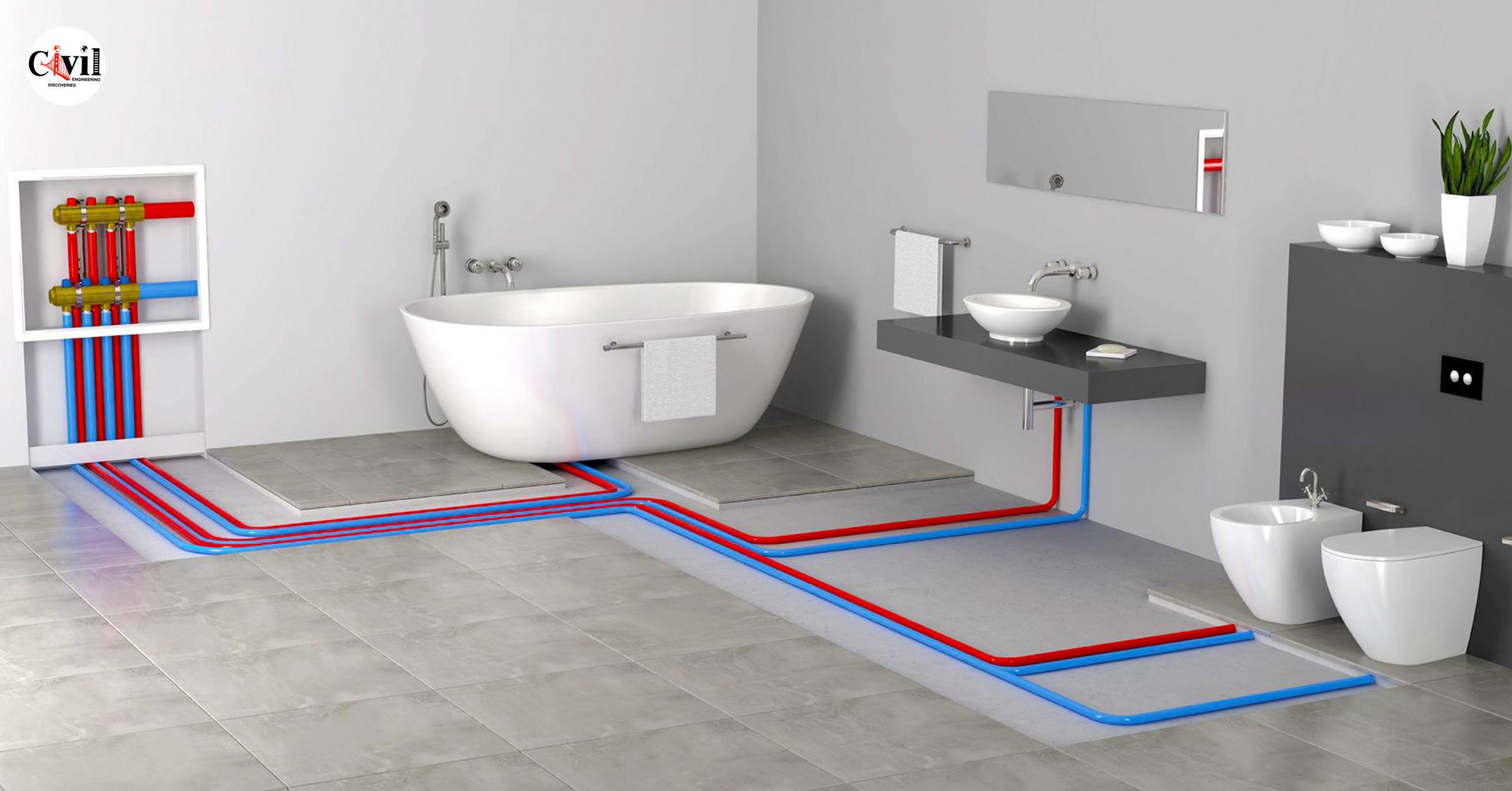
Cold Water vs. Warm water Lines
Comprehending the distinction between cold water lines, which supply water straight from the major, and warm water lines, which carry heated water from the water heater, helps in fixing and preparing for upgrades.
Water drainage System
Drain Water Lines and Traps
Drain pipelines carry wastewater away from sinks, showers, and toilets to the drain or septic system. Traps avoid sewage system gases from entering your home and also trap particles that could trigger obstructions.
Ventilation Pipes
Air flow pipelines allow air into the water drainage system, preventing suction that might slow down water drainage and cause traps to vacant. Correct ventilation is vital for keeping the honesty of your plumbing system.
Value of Appropriate Water Drainage
Ensuring proper drain stops back-ups and water damage. Frequently cleaning up drains pipes and keeping catches can prevent costly repair work and prolong the life of your pipes system.
Water Furnace
Sorts Of Water Heaters
Water heaters can be tankless or conventional tank-style. Tankless heating units warm water as needed, while containers save warmed water for immediate use.
Upgrading Your Plumbing System
Reasons for Upgrading
Upgrading to water-efficient components or changing old pipelines can improve water quality, decrease water expenses, and boost the worth of your home.
Modern Pipes Technologies and Their Advantages
Check out innovations like wise leak detectors, water-saving commodes, and energy-efficient water heaters that can conserve cash and reduce ecological effect.
Cost Factors To Consider and ROI
Determine the in advance prices versus long-lasting savings when taking into consideration plumbing upgrades. Several upgrades spend for themselves through minimized energy expenses and less repair work.
How Water Heaters Link to the Plumbing System
Comprehending just how water heaters attach to both the cold water supply and hot water circulation lines assists in diagnosing concerns like inadequate hot water or leakages.
Maintenance Tips for Water Heaters
Regularly flushing your hot water heater to remove sediment, examining the temperature setups, and inspecting for leakages can extend its life expectancy and boost power efficiency.
Typical Pipes Issues
Leakages and Their Reasons
Leaks can take place due to aging pipelines, loosened installations, or high water pressure. Resolving leaks immediately protects against water damage and mold and mildew development.
Blockages and Clogs
Clogs in drains and bathrooms are usually caused by flushing non-flushable products or a buildup of oil and hair. Using drain displays and being mindful of what drops your drains can stop clogs.
Indicators of Plumbing Issues to Expect
Low water stress, slow drains, foul odors, or abnormally high water bills are indications of potential plumbing troubles that should be attended to promptly.
Plumbing Upkeep Tips
Normal Evaluations and Checks
Arrange yearly plumbing assessments to catch problems early. Look for indicators of leaks, rust, or mineral buildup in taps and showerheads.
DIY Upkeep Tasks
Simple tasks like cleansing faucet aerators, looking for toilet leakages using dye tablet computers, or insulating revealed pipes in chilly environments can avoid significant plumbing problems.
When to Call a Specialist Plumbing
Know when a pipes issue needs specialist knowledge. Attempting intricate repairs without appropriate expertise can result in even more damages and higher repair service prices.
Tips for Reducing Water Usage
Straightforward habits like repairing leakages promptly, taking shorter showers, and running complete lots of washing and dishes can save water and reduced your energy expenses.
Eco-Friendly Pipes Options
Take into consideration lasting pipes products like bamboo for floor covering, which is durable and green, or recycled glass for kitchen counters.
Emergency Preparedness
Actions to Take Throughout a Pipes Emergency
Know where your shut-off valves lie and just how to shut off the supply of water in case of a burst pipe or major leakage.
Relevance of Having Emergency Situation Calls Convenient
Maintain call info for neighborhood plumbing professionals or emergency situation services easily available for fast feedback throughout a pipes crisis.
Ecological Influence and Preservation
Water-Saving Fixtures and Appliances
Installing low-flow faucets, showerheads, and commodes can dramatically minimize water use without sacrificing efficiency.
DIY Emergency Fixes (When Applicable).
Temporary fixes like using duct tape to patch a leaking pipeline or positioning a pail under a trickling tap can decrease damages till an expert plumbing arrives.
Conclusion.
Understanding the anatomy of your home's pipes system encourages you to keep it successfully, conserving money and time on fixings. By adhering to routine upkeep routines and staying informed concerning modern-day pipes innovations, you can ensure your plumbing system runs effectively for many years to come.
Understanding Your Home Plumbing System: A Comprehensive Guide
Plumbing System: The Lifeline of Your Home
At its core, the plumbing system is designed to perform two primary functions: bring fresh water into your home and remove wastewater. The system is a network of pipes, fixtures, and other components that transport water and sewage. Residential plumbing systems include potable water supply lines, drain-waste-vent (DWV) systems, and various plumbing fixtures that make water use in daily tasks possible.
Key Components:
Water Supply: This part of your plumbing system brings municipal water into your home, passing through the main water supply line. It s responsible for supplying all water needs, from drinking to bathing.
Drainage System: It carries waste and water away from your home to the sewer or septic system. This system includes all the piping within your home that leads to external sewage or septic systems.
Vent System: An essential yet often overlooked component, the vent system allows sewer gases to escape and lets air into the drainpipes, ensuring water and waste move correctly through the system.
Fixture: More Than Just Taps and Toilets
Plumbing fixtures are the most interactive parts of the plumbing system, including faucets, showers, toilets, and sinks. Each fixture is connected to the plumbing system and plays a role in either the delivery of freshwater or the disposal of waste and wastewater.
Types of Fixtures:
Faucets and Sinks: Used for washing hands, dishes, and other daily water needs. Toilets: Dispose of human waste through the sewage system. Bathtubs and Showers: Provide bathing facilities, requiring both hot and cold water supply. Water Supply: The Source of Life
The water supply system is a critical component, ensuring that potable water is available throughout your home for various uses, including drinking, cooking, and cleaning. This system consists of pipes that distribute water to different parts of the house, controlled by valves to regulate the water flow.
Types of Plumbing: Materials and Methods
Various types of plumbing systems and materials are used in residential settings, each with its advantages and applications. From copper and PVC pipes for water supply to cast iron and ABS for drainage, the choice of materials can impact the longevity and efficiency of your plumbing system.
https://intownplumbingtx.com/articles/home-plumbing-system-guide/
I came across that blog post about Exploring Your Homes Plumbing Anatomy when surfing the web. Appreciated our posting? Please share it. Let another person check it out. I love reading our article about Plumbing Installation 101: All You Need to Know.
Call Today